

Over time, grout in bathrooms and kitchens can become cracked, discoloured and prone to mould growth. If you’re looking to spruce up your home, repairing the grout is an easy way to give your tiles a new lease of life. While hiring a professional grout repair service may be an option in Melbourne, sometimes tackling it yourself is more cost-effective. This 10-step DIY guide for grout repair in Melbourne will take you through the steps you must follow to make your grout look as good as new.
Here are the essential steps for you to repair the grout at home.
Step 1: Inspect the grout
Before you begin any repairs, inspect the grout to assess how much of it needs to be replaced. Using a grout saw or a similar tool, remove any grout that is cracked, chipped or missing.
Step 2: Clean the area
The next step in the grout repair process is cleaning the area surrounding the tiles. To ensure that the new grout adheres properly, it’s essential to remove any dirt, oil, or debris that may have accumulated over time. Don’t worry, it’s not as daunting as it sounds! Simply mix warm water with a mild cleaning solution and use a sponge or cloth to gently wipe the area clean. And you’re ready for the next step in the repair process.
Remember, taking the time to properly prepare the area will result in a stronger, longer-lasting repair.
Step 3: Choose the new grout
Choose a new grout that matches the original colour of your grout. A professional-grade repair system, such as epoxy grout, may be necessary in areas of your home, which are regularly wet.
Step 4: Mix the grout
Follow the manufacturer’s instructions to mix the grout. Be sure to use a suitable container and mix it thoroughly and according to their recommended ratio of water to grout.
Step 5: Apply the grout
In the next step of the grout repair process, apply the grout to the areas that require repair with an angled trowel. Ensure the grout is level, flush with the tiles, and smooth. Do not overfill beyond the tile surface.
Step 6: Allow the grout to set
Lay a damp towel over the new grout to keep it moist and let the grout set. The amount of time recommended for the grout to be set depends on the brand of grout and the temperature of your home.
Step 7: Finish the grout
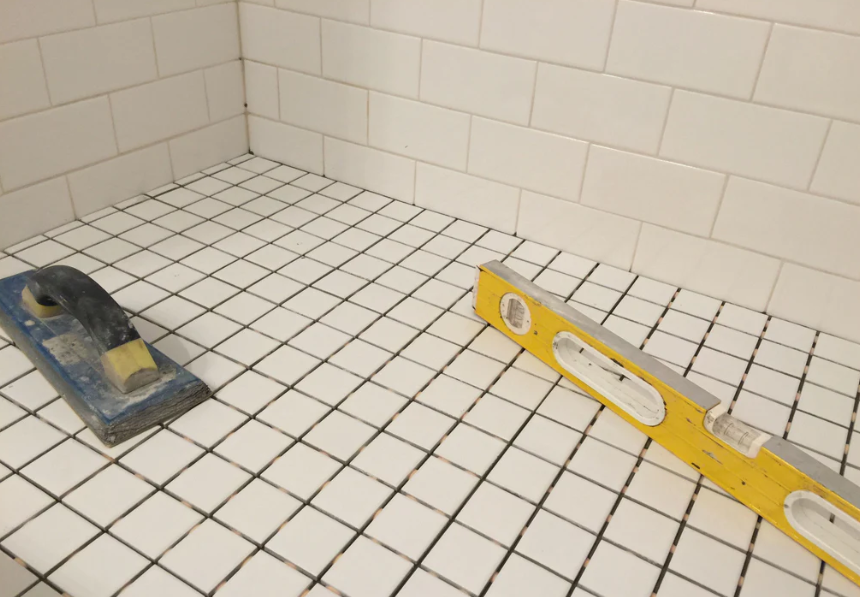
After the grout has been set, use a damp sponge to wipe any excess grout from the tile surface and shape the grout into a neat line. Apply tile and grout sealer if necessary to maintain the grout’s pristine condition.
Step 8: Let the grout dry
When it comes to grout repair in Melbourne, it’s critical to follow the correct drying protocol. After application, it’s tempting to use the repaired area right away, but rushing this step can result in a weak and ineffective repair. To ensure a strong and long-lasting fix, it’s crucial to let the grout dry completely before use.
Step 9: Keep the grout Clean
Try to keep the area free of water or moisture while the grout sets. Once it has been set, clean the area regularly to reduce the risk of future problems and maintain the grout’s pristine condition.
Step 10: Enjoy Your New Grout!
With a little bit of DIY know-how, your grout repair can look as good as new. Enjoy the fresh, bright appearance of your newly grouted tiles and the peace of mind that you did the job seamlessly and cost-effectively yourself.
Conclusion:
Grout restoration is an easy and cost-effective way to spruce up your tiles and refresh your entire space. By following the above 10-step DIY guide for grout repair in Melbourne such as inspecting the grout, choosing the right new grout and allowing for adequate drying time you can ensure a strong and long-lasting repair. Ready to tackle your own grout repairs? Good luck!
